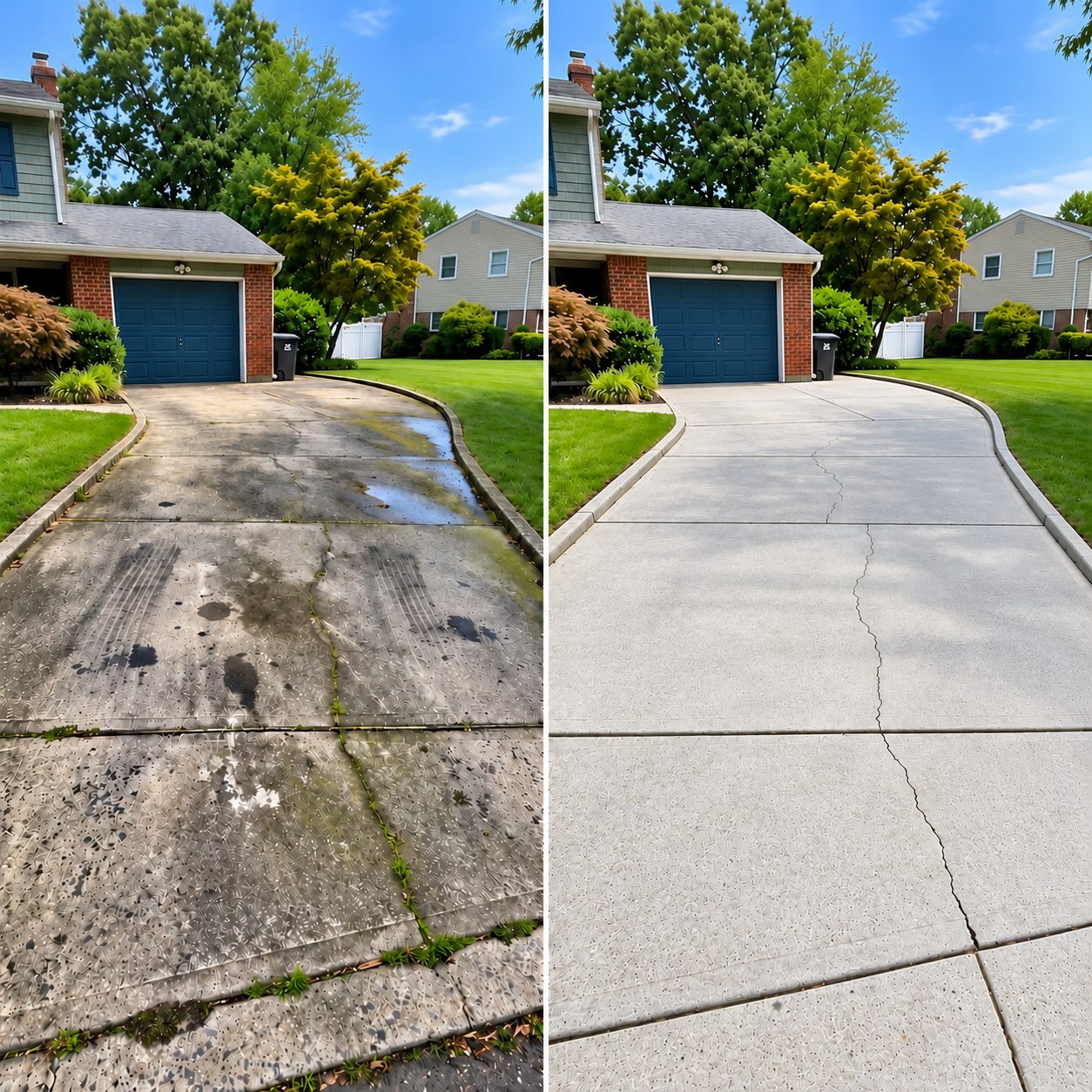
Driveways
Asphalt, concrete and interlock driveways, cleaned of the dirt, salt residue and growth that settle into the surface.
Power Washing
Driveways, decks, siding, brick, patios and fences — cleaned using pressure washing or soft washing, depending on what the surface can take. Residential and commercial properties.
Surfaces
Six kinds of exterior surface, each cleaned with the method that suits the material and the condition it is in.
Asphalt, concrete and interlock driveways, cleaned of the dirt, salt residue and growth that settle into the surface.
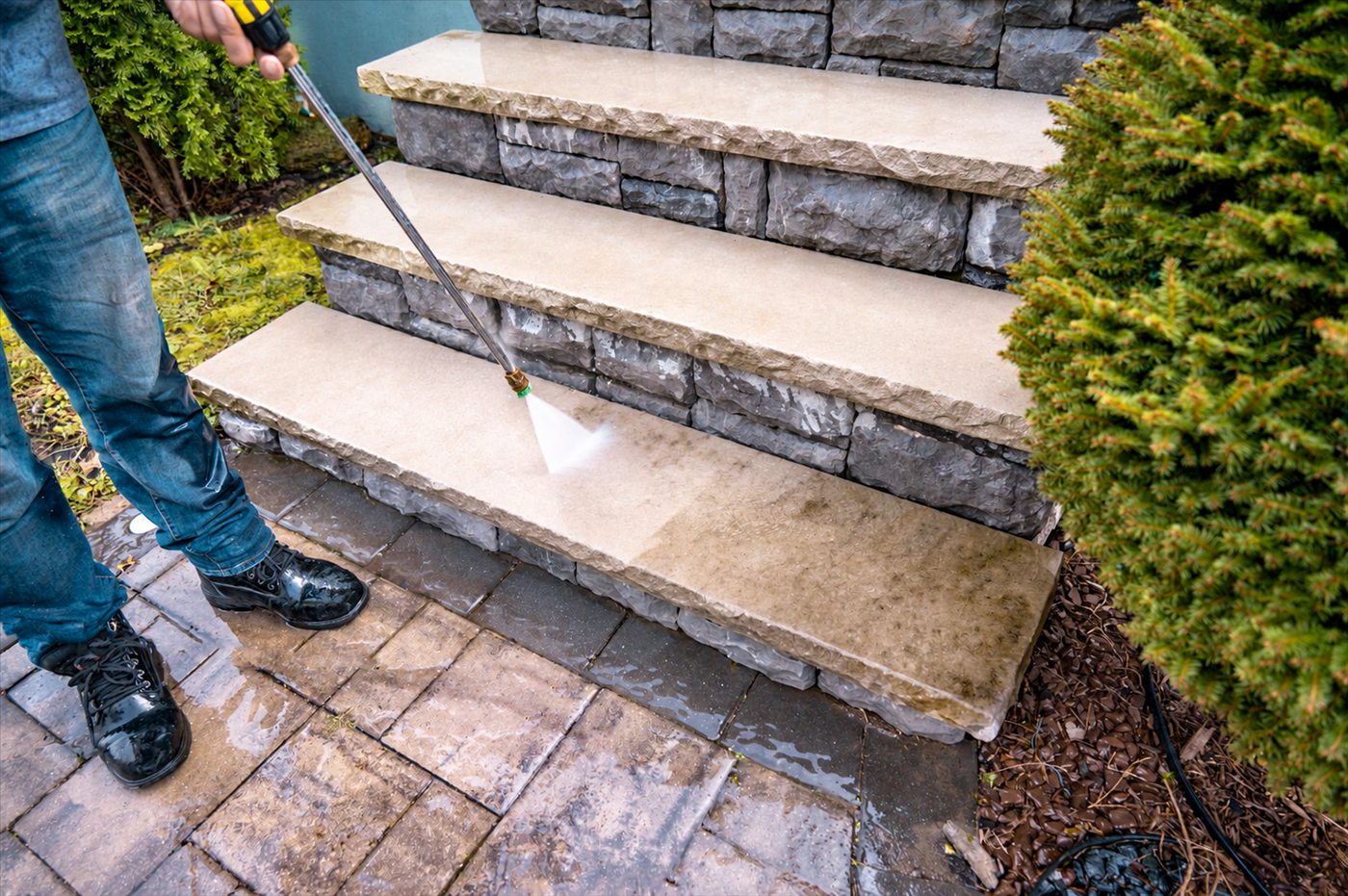
Patios and paths around the house, including the edges and joints where growth tends to start.
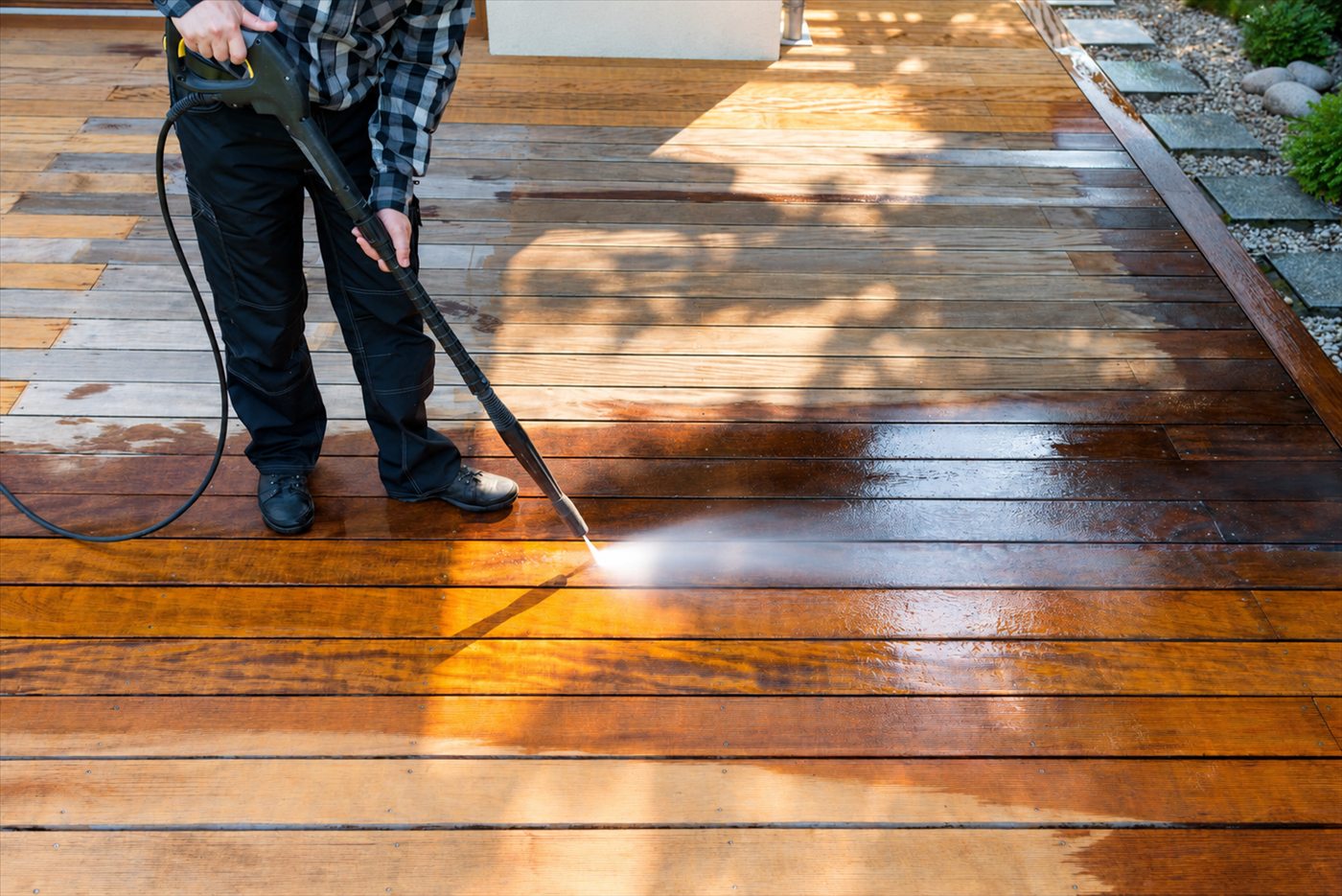
Wood and composite decking, cleaned with a method chosen for the material and the condition of the boards.
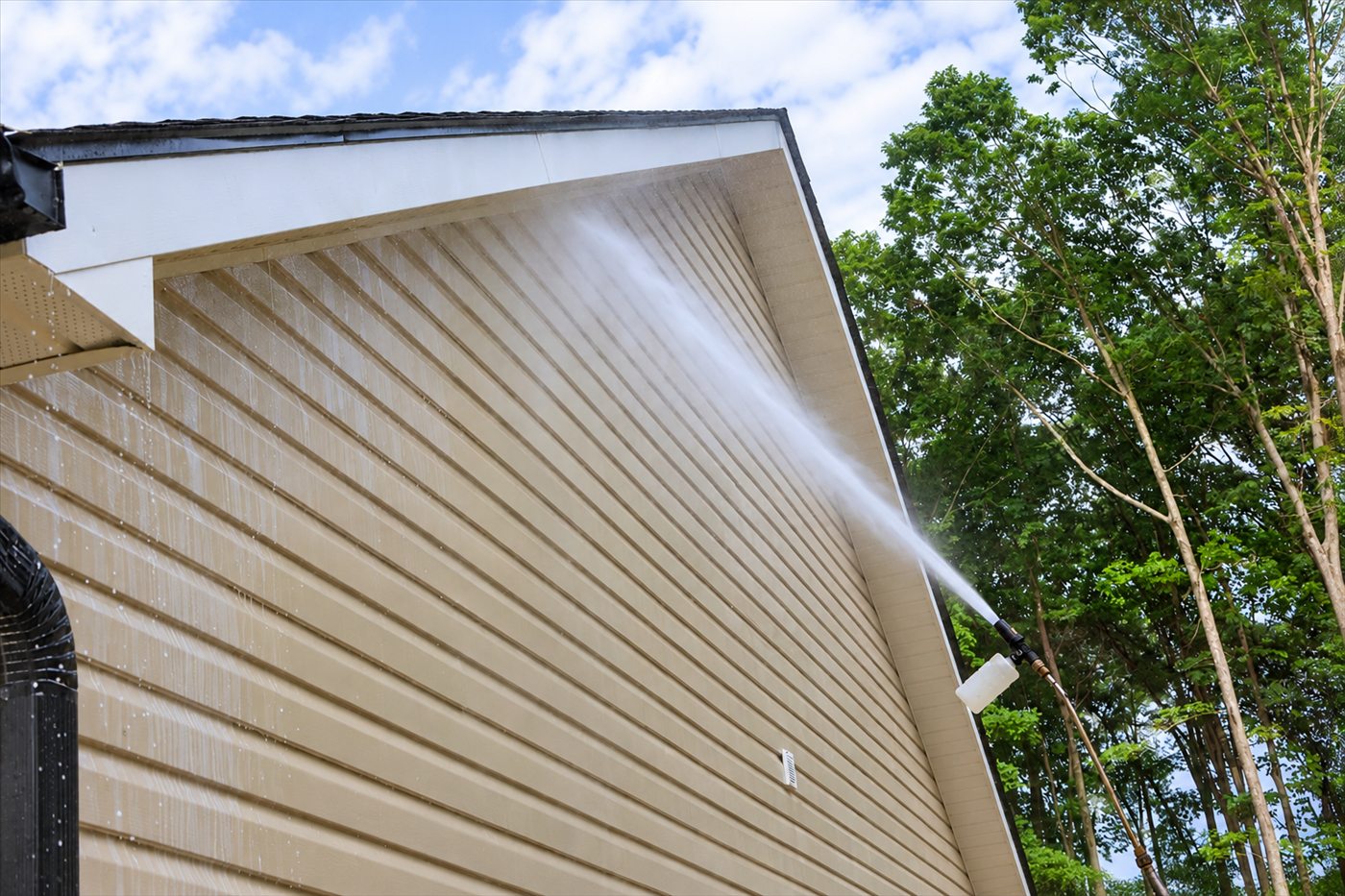
Vinyl and aluminum siding, soft washed to lift dirt and grime without putting high pressure on the panels.
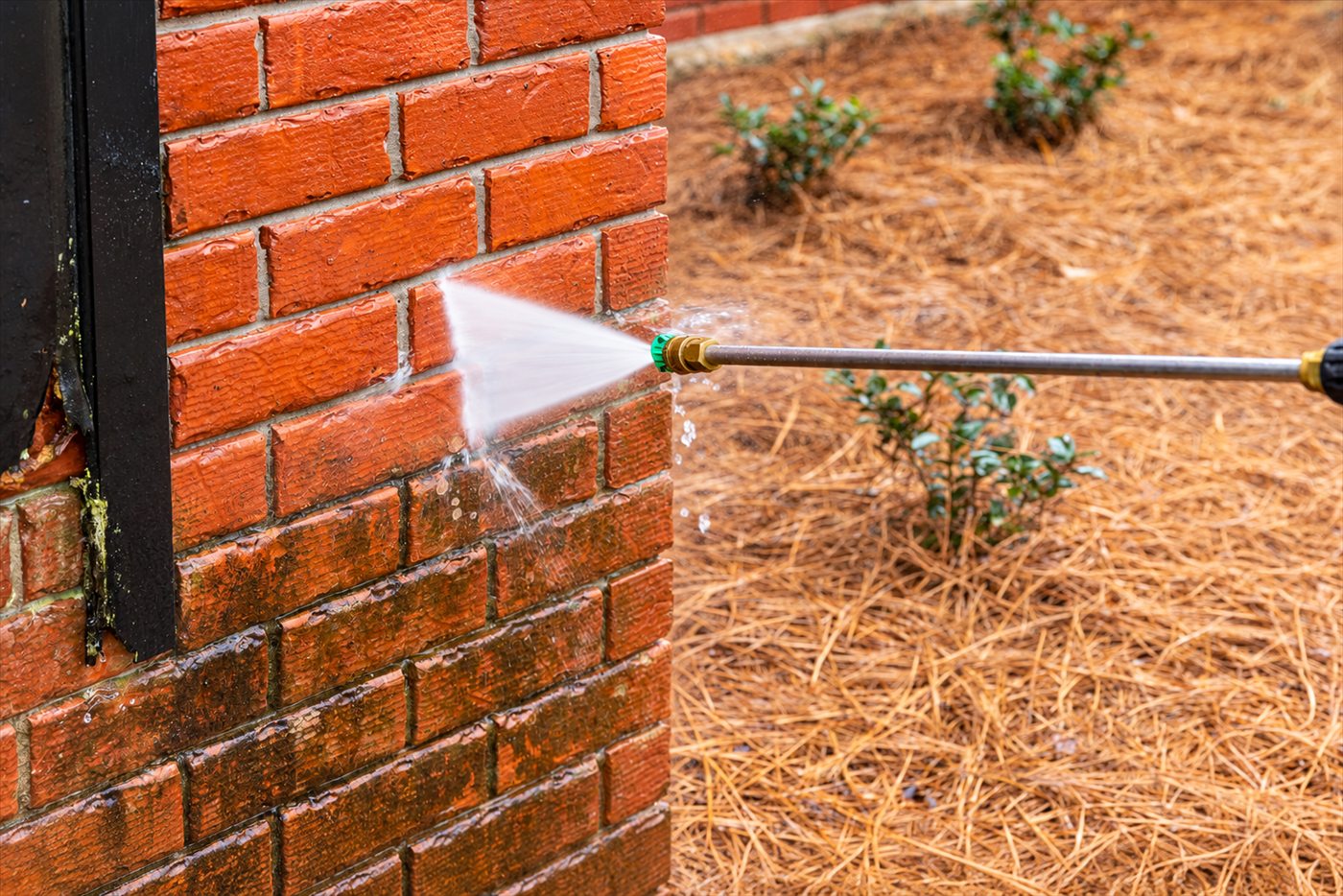
Brick and masonry surfaces with staining that a garden hose has not shifted.
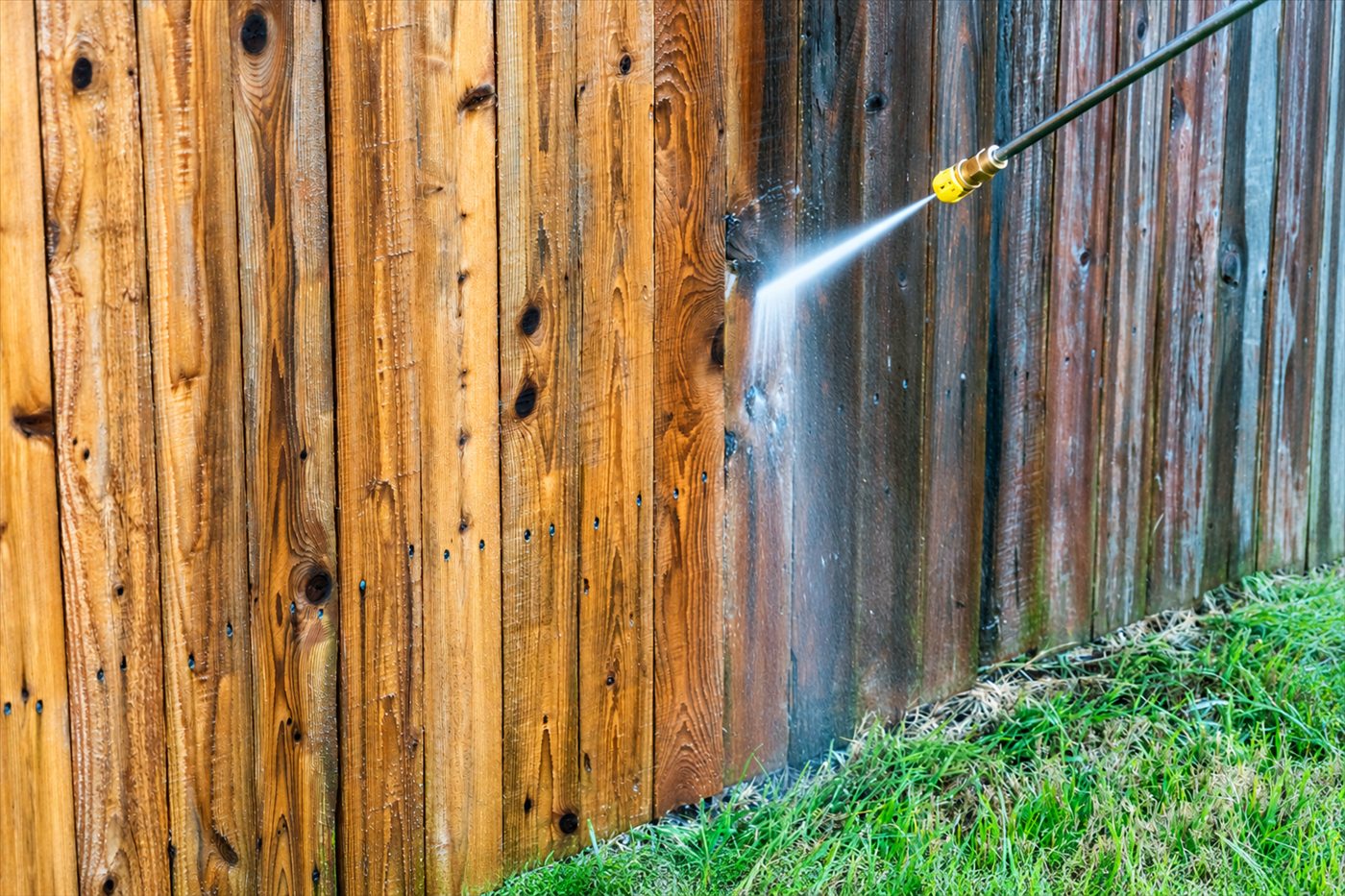
Fence boards that have gone grey and streaked, cleaned at a pressure the material can take.
What we don’t wash: garage doors and roofs. We also don’t take on surfaces that are very old, significantly damaged, deteriorated, or otherwise not suitable for power washing. If we look at a surface and don’t think it will hold up to cleaning, we’ll tell you rather than proceed.
What to look for
The outside of a house collects things year-round in the Toronto climate. These are the changes that usually mean a surface is ready.
Where it comes from
Winter road salt gets carried onto driveways and walkways. Spring brings pollen and seeds. Shaded sections stay damp long enough for organic growth to take hold, and once it does, it spreads.
Why it stays
Most of it has worked into the surface texture: the pores in concrete, the grain in wood decking, the joints between interlock pavers. It needs both the right pressure and the right cleaning solution to lift out.
Why the method matters
Pressure that’s appropriate for a concrete driveway is not appropriate for vinyl siding or an older wood deck. Using the same setting on everything is how surfaces get damaged.
How we work
Two cleaning methods, and the equipment and solutions that support them. Which ones we use depends on the surface material, its condition and the type of buildup. Not every surface should be washed at high pressure.
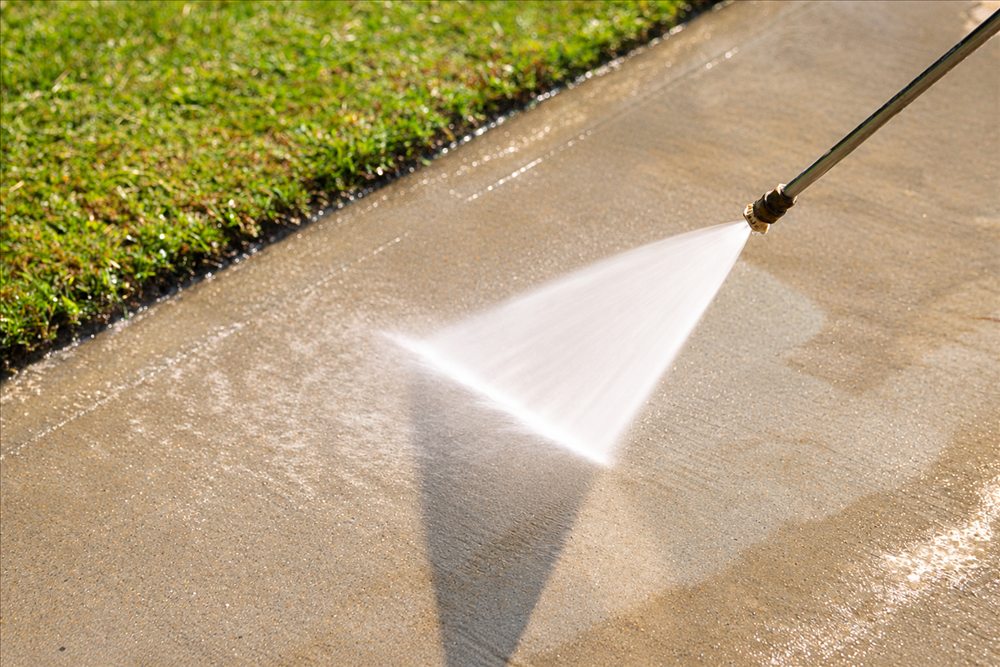
Method
Higher-pressure water for surfaces that can take it.
Used on: concrete and asphalt driveways, interlock, patios, walkways, and masonry where appropriate.
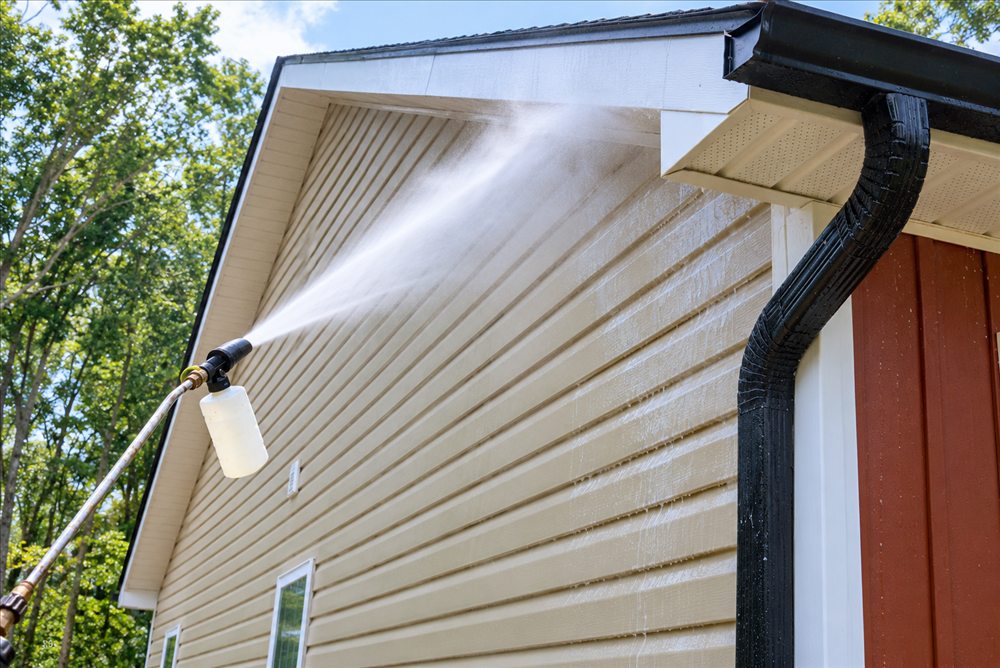
Method
Lower pressure combined with cleaning solutions, for surfaces where high pressure would do damage.
Used on: vinyl and aluminum siding, and decking depending on condition.
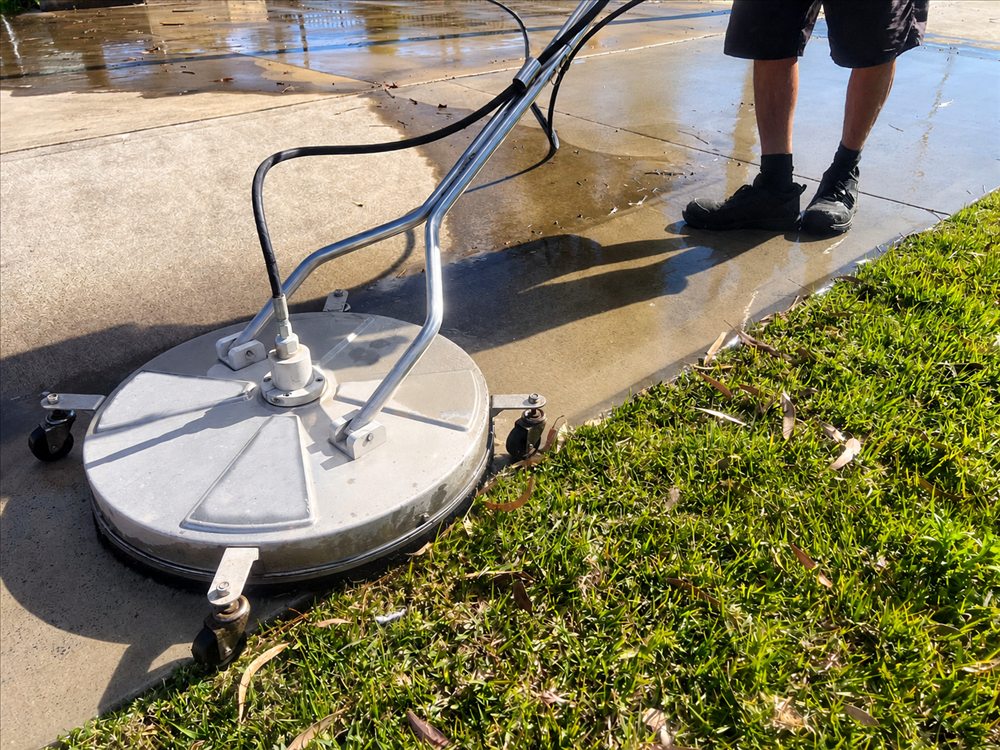
Equipment
Used instead of the wand alone. It covers the area at a consistent distance and pressure, avoiding the striping a hand-held wand leaves.
Used on: flat areas like driveways and patios.
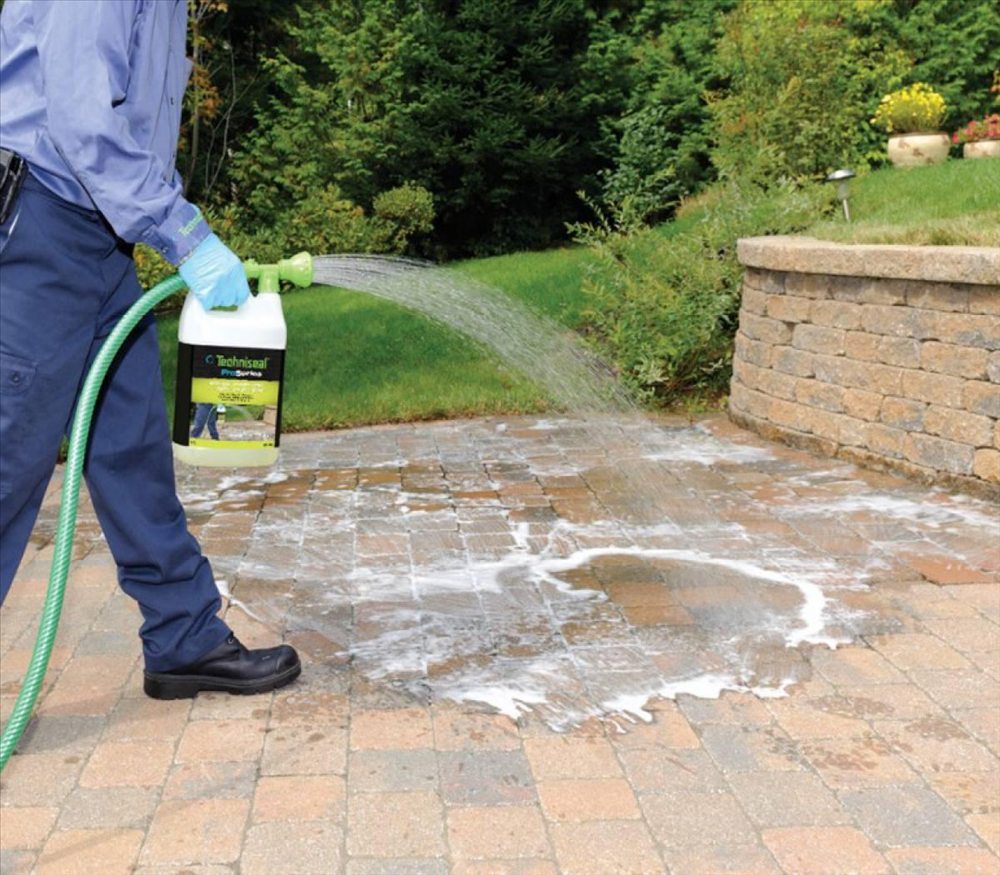
Cleaning solutions
Used where the buildup needs more than water to lift it. We work with cold water.
Used on: surfaces where water alone does not lift the buildup.
Which approach applies to your property depends on the surface and its condition. We confirm this when we quote.
The process
We look at the surfaces, their condition and the access, and confirm what’s suitable for cleaning and which method applies.
You get a clear quote covering the surfaces, the method and the scope of work.
The work area is prepared. We usually connect to the property’s water supply; electricity is supplied either by you or by us, depending on the job.
The surfaces are cleaned using the agreed method.
We complete a final check and clean up the work area before leaving.
Scope of work
Every job starts with a look at the surfaces. What follows depends on what you have and what you would like cleaned.
Assessment and method
Surfaces, where applicable
Finishing
Exact scope may vary depending on the property, condition and scope of work.
Preparing for the job
Out of the driveway and away from the work area.
Before the work starts.
To the areas being cleaned.
Around the house can be moved by you beforehand, or we can move them. Let us know which you’d prefer.
Planning your job
No two properties have the same surfaces in the same condition, which is why each job is quoted individually rather than from a fixed list.
We assess the surfaces and quote on the agreed scope. Tell us what you would like cleaned and we will take it from there.
Common questions
Pricing depends on the size, condition, access, materials and scope of work. Request a free quote for an accurate price.
Pressure washing uses higher-pressure water and suits hard surfaces like concrete, asphalt and interlock. Soft washing uses lower pressure with cleaning solutions, for surfaces where high pressure would cause damage — vinyl and aluminum siding, and decking depending on its condition. We choose based on the surface, not the other way around.
Vinyl and aluminum siding are cleaned with soft washing rather than high pressure, for that reason. We assess the surface first and use the method it can take.
No. Roofs and garage doors aren’t part of this service.
Yes. Interlock driveways, patios and walkways are pressure washed as part of this service. Let us know when you request a quote and we’ll confirm what’s included.
We usually connect to the property’s water supply. Electricity is supplied either by you or by us, depending on the property and the job — we’ll confirm this when we quote.
Move vehicles out of the work area, close your windows, and make sure we have access to the areas being cleaned. Furniture and items around the house can be moved by you or by us — just let us know which you’d prefer.
No. We don’t take on surfaces that are very old, significantly damaged, deteriorated, or otherwise not suitable for power washing. If we assess a surface and don’t think it will hold up, we’ll tell you.
Yes. We work on both residential and commercial properties.
Usually not, as long as we can reach the surfaces being cleaned and the outdoor water supply (see the water and electricity question above). We’ll confirm this with you before the appointment.
Related services